Tag
23 articles
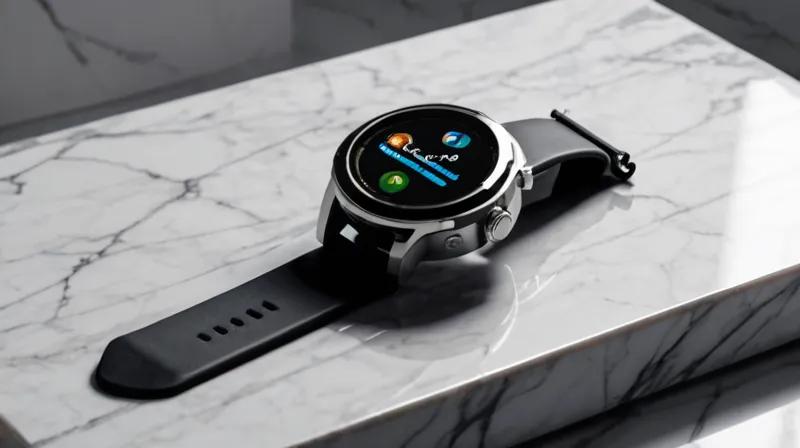
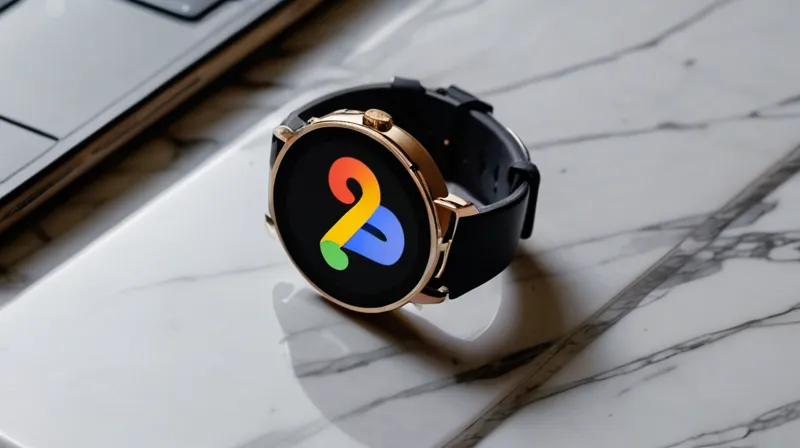
This explainer examines how advanced AI algorithms in smartwatches like the Pixel Watch 5 enable sophisticated health monitoring through machine learning, edge computing, and personalized predictive models.
This explainer explores how the Google Pixel Watch 5 integrates advanced AI concepts like edge computing, neural networks, and continual learning to provide intelligent health monitoring. Learn how wearable AI systems process biometric data in real-time to deliver personalized health insights.
Google's Pixel Watch 5 introduces enhanced AI capabilities and health monitoring features, marking a significant shift toward intelligent wellness companions. The device's $399 price tag reflects its premium positioning in the wearable market.
Samsung's Galaxy Watch 9 introduces new health metrics and a longer-lasting battery, signaling a shift toward future-ready wearable technology.
A detailed comparison between Ozlo Sleepbuds 2 and Oura Ring 5 reveals that while the earbuds offer improved comfort, they still lag behind in accuracy.
Learn how to set up and use Amazfit smartwatches, including pairing with your phone, configuring health features, and syncing data between your device and smartphone.
A month-long test of Samsung, Amazfit, and Doctor Fit blood pressure watches revealed that only one could match the accuracy of a Garmin medical monitor.
The Ultrahuman Ring Pro offers comprehensive health monitoring but faces challenges with size, cost, and user experience that limit its appeal beyond serious biohackers.
Learn how smart wearable technology like the Oura Ring 5 uses sensors and artificial intelligence to track health metrics and provide personalized insights about your body's needs.
Learn how smartwatches use artificial intelligence to monitor health, track fitness, and detect medical issues. Discover what makes modern smartwatches more than just timepieces.
Fitbit's new AI health feature takes a more thoughtful approach than competitors like Google Health Coach, avoiding alarmist notifications in favor of personalized wellness guidance.
Learn how to set up and use Garmin smartwatch features using the Garmin Connect app, including basic setup, activity tracking, and data synchronization.